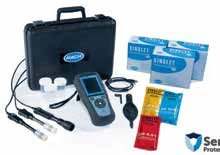
HQ Series Lab & Field Multi-parameter Meters
Multi-parameter meters with Intellical smart probes that are recognised the instant they are plugged in.
- 7
- parameter types
- Smart
- probe recognition
- Lab
- & field

pH controls coagulation, disinfection efficiency, corrosion and biological treatment. It is the most frequently measured parameter in water and process laboratories.
Benchtop meters with digital pH electrodes, automatic buffer recognition and GLP calibration records.
Waterproof handheld meters with rugged gel electrodes for field rounds and boreholes.
Process pH sensors with differential or combination electrodes, automatic temperature compensation and 4–20 mA or Modbus output.
Multi-parameter meters with Intellical smart probes that are recognised the instant they are plugged in.
Cost-effective benchtop and portable electrochemistry meters with a full electrode range.
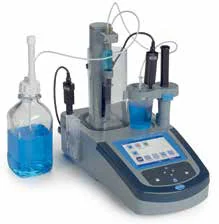
Automatic titration with pre-set applications: accurate, repeatable results without complex programming.
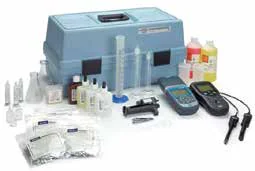
Rugged, easy-to-use portable laboratory for on-site drinking-water results.
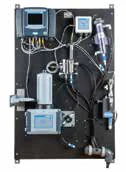
Pre-engineered drinking-water distribution panel: pH, conductivity, turbidity, chlorine, pressure and temperature on one SC4500.
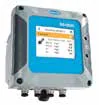
Universal controller for HACH digital and analogue sensors: the hub of Blue Drop and Green Drop panels.
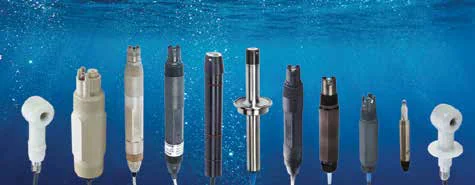
Digital sc and analogue process sensors for pH, ORP and conductivity in clean to heavily fouling streams.
Deployable multiparameter sondes for long-term in-situ monitoring of rivers, dams and boreholes.
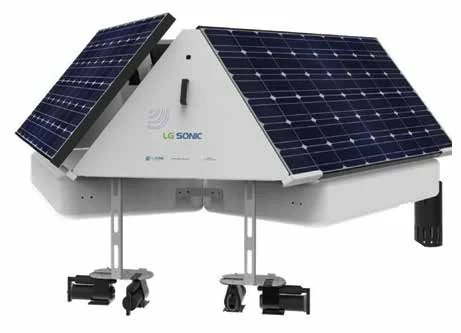
Solar-powered floating system that monitors water quality in real time and controls algae with ultrasound.
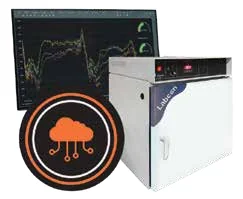
Secure wireless network for wired devices: retrofit existing sensors and send their data to the cloud.
Out-of-the-box IoT data acquisition: connect instrument outputs and send data securely to the cloud.
Calibrate at least daily when in regular use, using two or three buffers that bracket your samples. Check the slope (typically 95–105 %) and offset after each calibration.
Common causes are a dirty or dehydrated junction, low ionic-strength samples, or a probe near the end of its life. Clean the electrode and store it in storage solution, never in deionised water.
Tell us your sample type, range and whether you need lab, portable or online measurement. We will recommend the right option.