
Labcon Incubators
South African-made forced-circulation (FSIM) and low-temperature (LTIM) incubators, from 40 L to 850 L.
- ± 0.2 °C
- control
- 40–850
- L sizes
- SA
- made

Temperature-controlled equipment for microbiology, BOD, drying and ashing. Correct uniformity and stability matter for compliance methods, so we match chamber size and control to the method you run.
South African-made forced-circulation (FSIM) and low-temperature (LTIM) incubators, from 40 L to 850 L.

Forced-circulation drying ovens (FSOM, FSOM HD) and heavy-duty ovens from 700 L to 8 000 L.
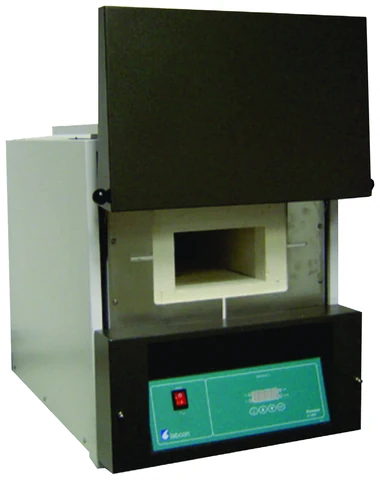
Element furnaces to 1 200 °C with ramp-programmable control; RAF models for clean, dust-free ashing.

Low-temperature growth chambers with separate day and night set-points and timed illumination.
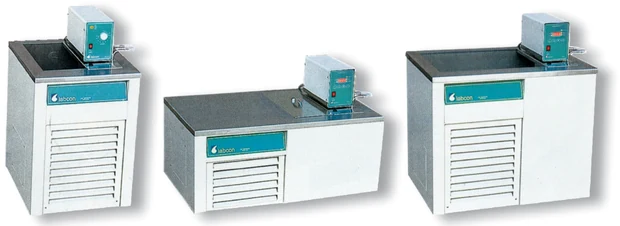
Water baths, shaking water baths, low-temperature baths to −40 °C and ultrasonic baths.
No products match these filters. Ask us: we supply more than is listed here.
Not every model is listed online. If you have a part number or specification, include it in your quote request.
Incubators hold a stable temperature for biology: Labcon forced-circulation incubators run from ambient +5 °C to 99 °C, and low-temperature models reach −5 °C. Drying ovens run to 250 °C for drying and curing. Furnaces run to 1 200 °C for ashing and loss on ignition.
BOD₅ is incubated at 20 °C, so in a warm room you need a low-temperature (cooled) incubator because a heat-only incubator cannot hold a temperature below ambient. Suspended-solids filters are commonly dried at 103 to 105 °C in a drying oven.
Pick the chamber volume from the number of samples or vessels you run at once, then check that the temperature uniformity suits your method. Labcon incubators range from 40 L to 850 L and drying ovens from 40 L to 8 000 L. Tell us your method and load and we will match the model.
A lab oven, or laboratory oven, dries, cures and heat-treats samples and glassware. A common use is drying suspended-solids filters at 103 to 105 °C. Forced-air (air-forced) ovens move the air with a fan, which gives an even temperature through the chamber. Labcon FSOM drying ovens are forced-circulation ovens that run to 250 °C.
Most total coliform and E. coli methods incubate samples at about 35 to 37 °C for around 24 hours, while thermotolerant coliform methods use a higher temperature, about 44 °C. Always follow the temperature in your method. A Labcon forced-circulation laboratory incubator holds ±0.2 °C control and suits microbiology work, including colony counts in drinking water.
Yes. Incubators for food and dairy microbiology need the temperature your method specifies, with good uniformity through the chamber. Tell us the method and the sample load and we will recommend a size.
Send a product list, part numbers or a tender specification. Our technical team will recommend and quote the right solution.
